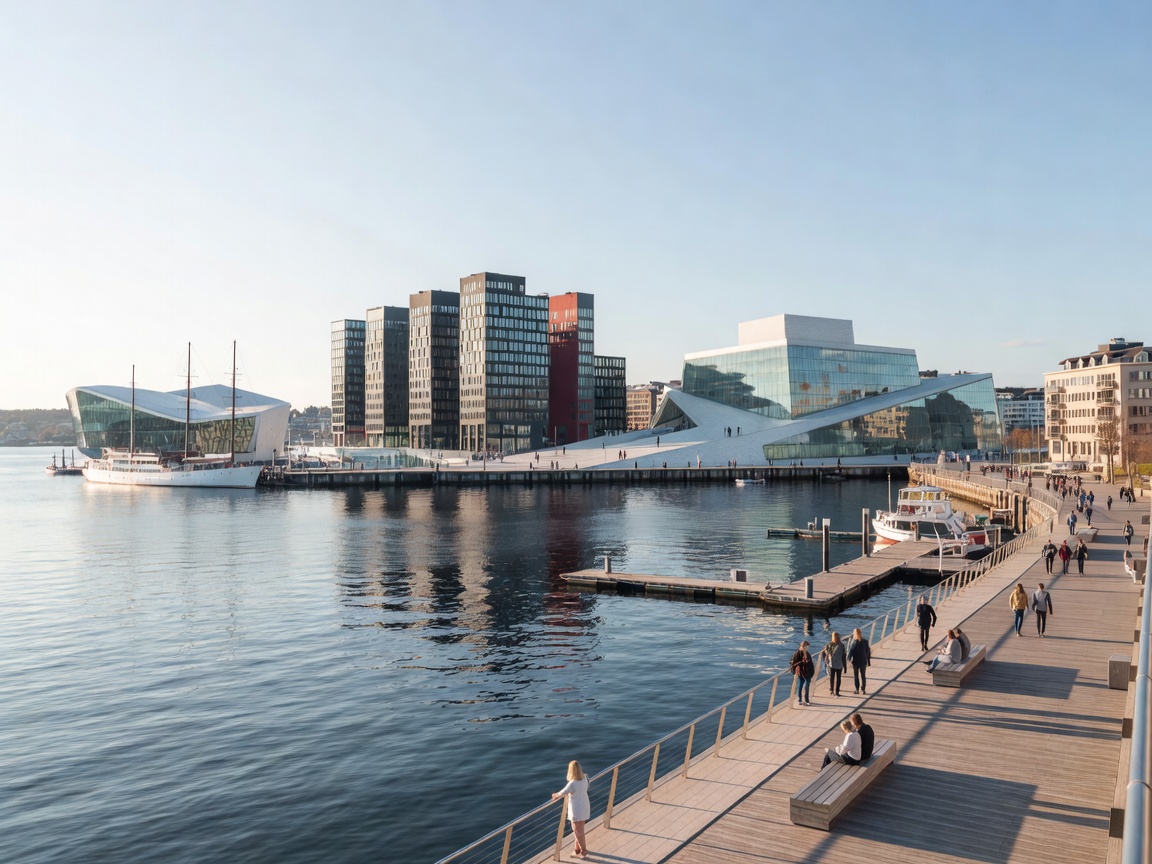
Oslo
The vanguard of Scandinavian waterfront transformation. Explore Bjørvika's Snøhetta Opera House, Munch Museum, Vigeland Park, and vibrant Grünerløkka culinary districts.
From the post-industrial timber wharves of the west coast to cutting-edge fjord architecture in the south and high-latitude innovation in the Arctic circle, discover how Norway balances historic preservation with bold civic design.
Brightssortscot provides detailed architectural overviews, district walking analyses, historical contexts, and seasonal logistics for travelers seeking authentic engagement with Norwegian metropolitan life.
Contemporary waterfronts, protected medieval timber, and sub-polar architecture across five iconic Norwegian coastal centers.
In-depth architectural surveys, cultural developments, and neighborhood guides.
The vanguard of Scandinavian waterfront transformation. Explore Bjørvika's Snøhetta Opera House, Munch Museum, Vigeland Park, and vibrant Grünerløkka culinary districts.
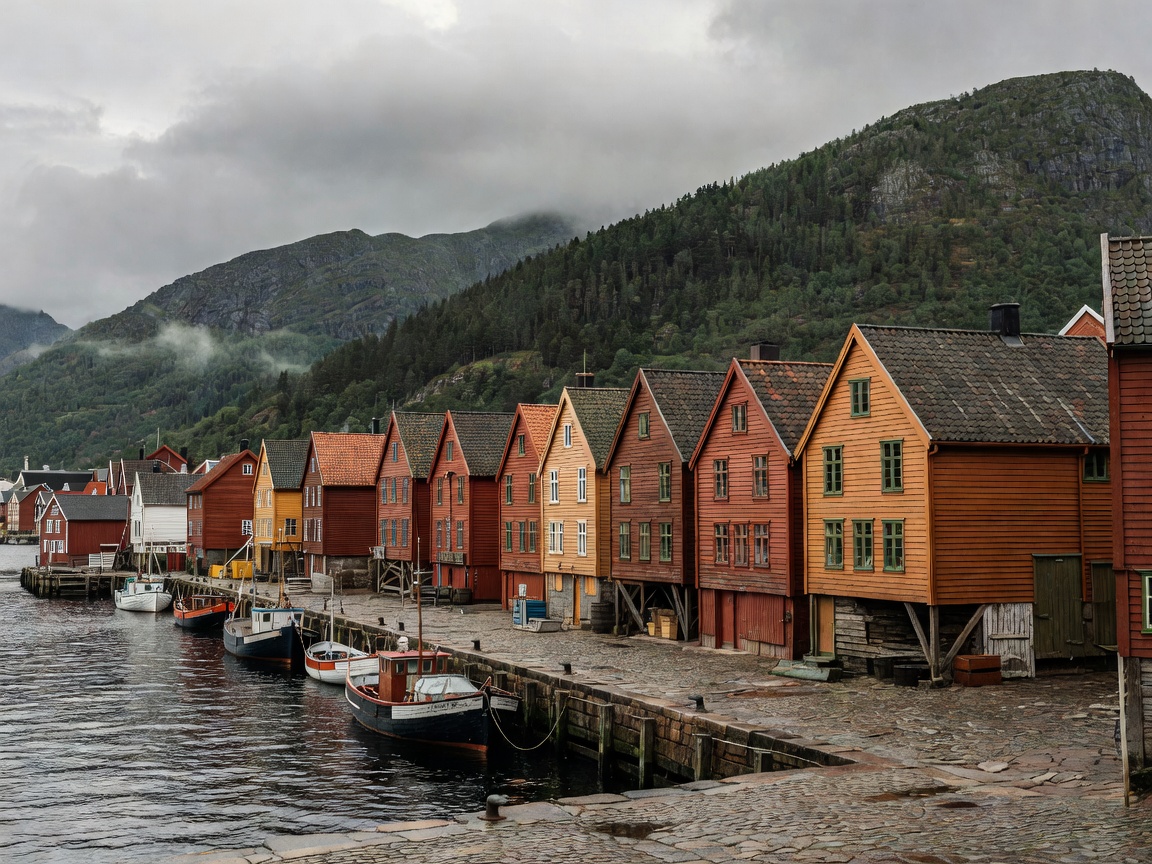
Enclosed by seven coastal peaks, Bergen pairs UNESCO-inscribed 14th-century wooden trade architecture at Bryggen with contemporary art institutions and legendary coastal seafood.
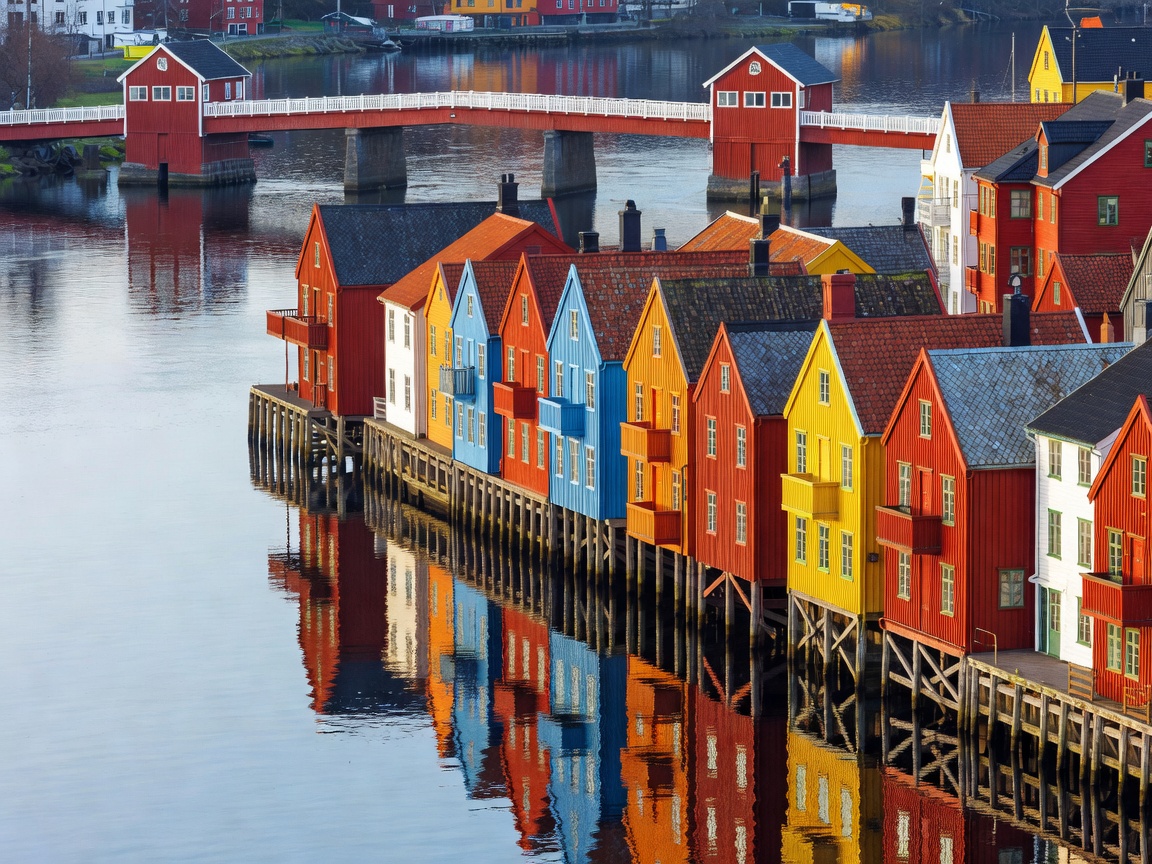
The medieval capital of Nidaros. Home to the world's northernmost Gothic cathedral, scenic wooden stilt storehouses on the Nidelva river, and Trøndelag's world-class culinary revolution.
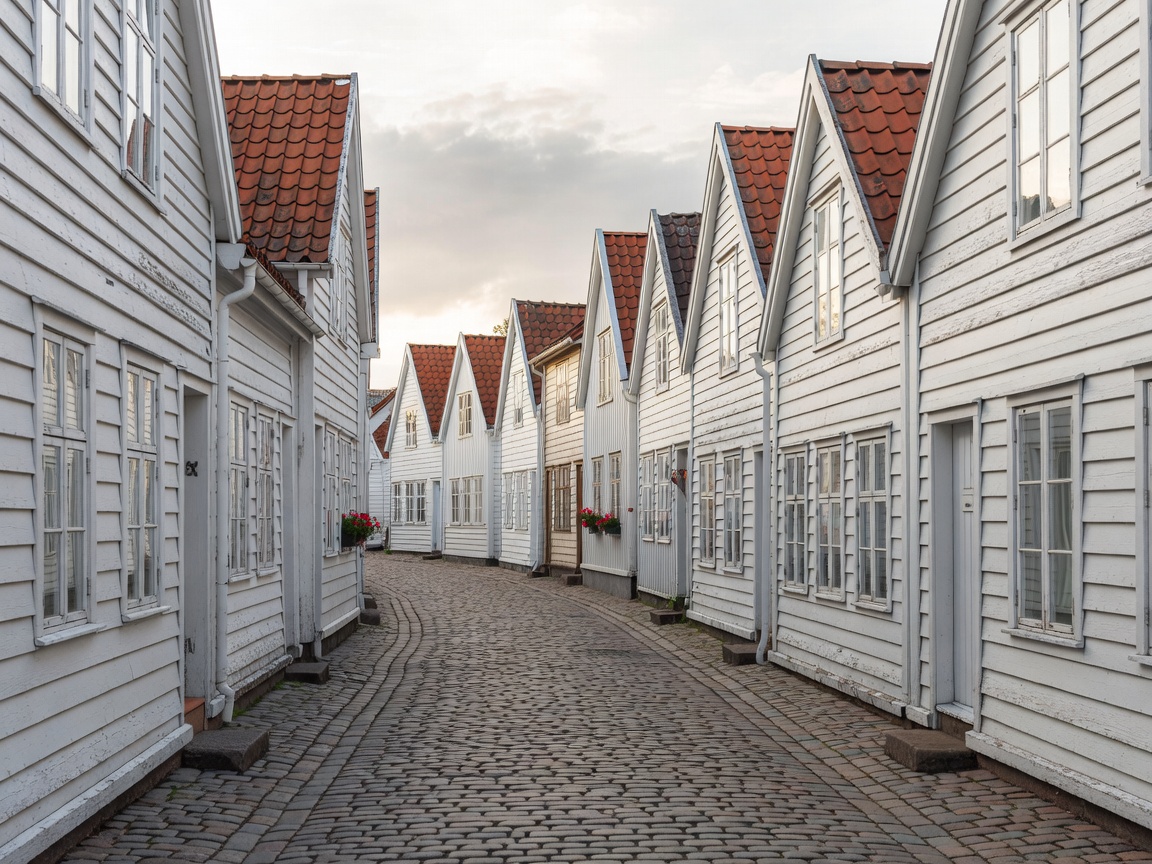
Europe's best-preserved settlement of 18th-century whitewashed wooden cottages, juxtaposed against offshore engineering museums, the colorful Fargegaten, and Lysefjord vistas.
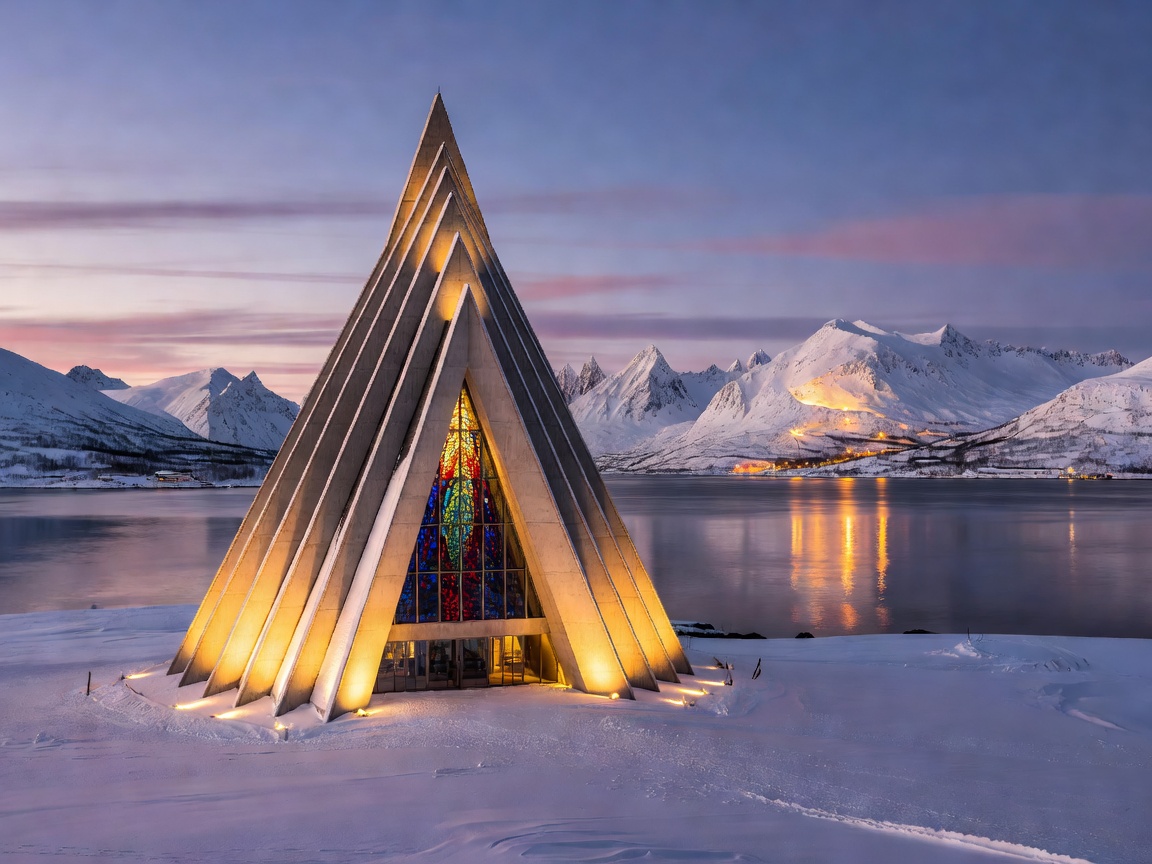
Located 350 kilometres north of the Arctic Circle, Tromsø thrives as an academic, scientific, and cultural oasis defined by the iconic Arctic Cathedral and midnight sun resilience.
Key cultural principles that shape urban planning, architecture, and municipal policy across Norway.
Norwegian law enshrines public access to nature. In Oslo, Bergen, and Trondheim, city borders integrate seamlessly into forest trail systems (Marka) accessible via electric municipal transit within twenty minutes of downtown.
Former canning factories, shipbuilding docks, and timber warehouses are methodically reconditioned as community centres, art ateliers, and public saunas rather than facing total demolition.
Industrial highway corridors along oceanfronts have been submerged into underground bypasses, restoring shoreline promenades, sea pools, and continuous public pedestrian walkways.