Gamle Stavanger: The Architecture of White Wood
Located on the western slope of the Vågen harbor, Gamle Stavanger (Old Stavanger) constitutes the largest surviving concentration of 18th- and early 19th-century wooden houses in Northern Europe. Comprising 173 listed timber cottages, the district was originally slated for complete urban demolition after World War II to make way for modern concrete redevelopment. Through the dedicated advocacy of municipal architect Einar Hedén, the neighborhood was preserved and restored.
The residences are painted predominantly in brilliant white—a historic reflection of prosperity, as white lead paint was considerably more expensive than traditional iron-oxide red or fish-oil ochre. Today, strict conservation covenants govern the district, requiring residents to maintain historical window frames, authentic tile roof pitches, and original stonework.
Industrial Shift: Canning to the Energy Capital
Before becoming the epicenter of the North Sea energy economy following the 1969 discovery of the Ekofisk oil field, Stavanger’s economic foundation rested entirely on maritime fisheries and sardine canning. The Norwegian Canning Museum (Norsk Hermetikkmuseum), integrated into the new IDDIS packaging museum in Gamle Stavanger, preserves this manual packing history inside an original 19th-century canning factory.
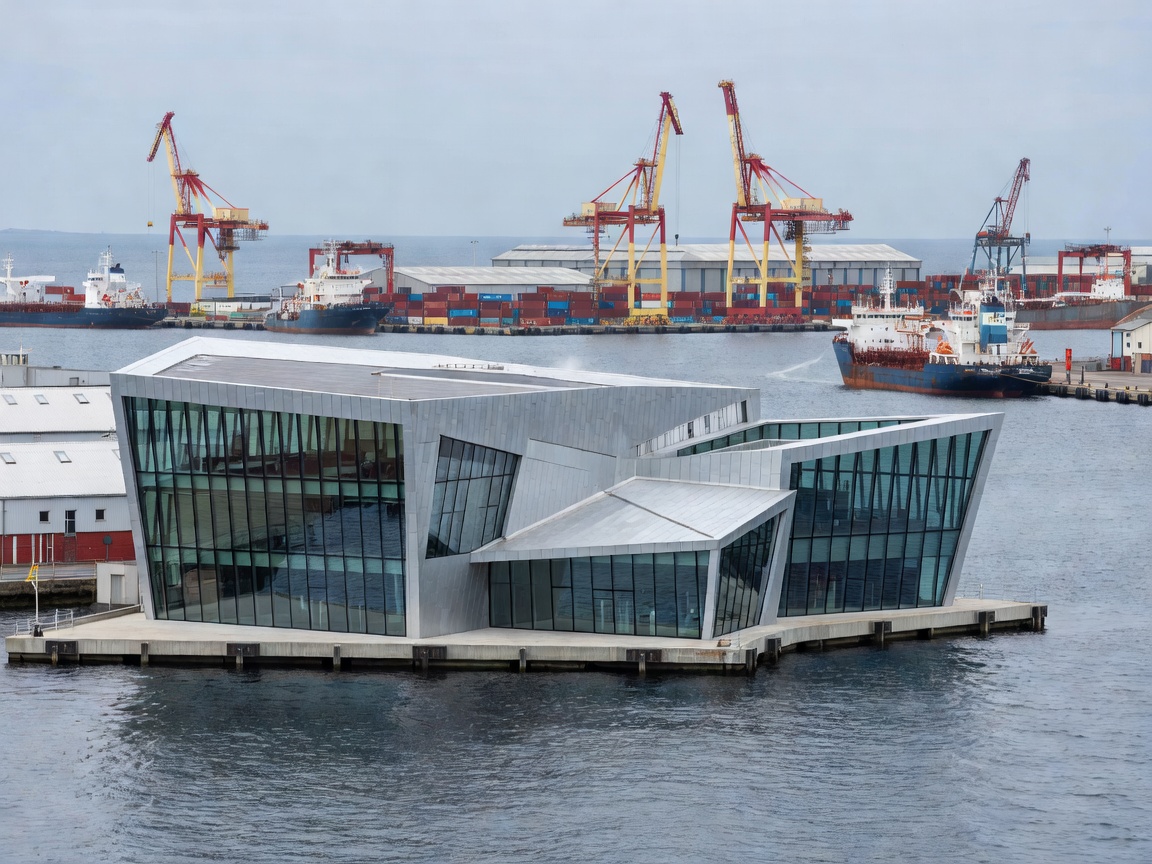
Along the eastern waterfront stands the Norwegian Petroleum Museum (Norsk Oljemuseum), designed by architects Lunde & Løvseth. Built to resemble an offshore drilling platform, its zinc, stone, and glass volumes extend directly into the harbor water. The museum details the geophysical engineering, subsea robotics, and complex socio-economic impact of Norway's sovereign wealth fund management.
Fargegaten and Contemporary Urban Vibrancy
In contrast to the pristine monochrome white of Gamle Stavanger, the eastern shopping lane of Øvre Holmegate—widely known as Fargegaten ("The Color Street")—presents a vivid palette conceived in 2005 by Scottish-Norwegian hairdresser Tom Kjørsvik and artist Craig Flannagan. Every wooden facade is painted in curated complementary hues of turquoise, magenta, yellow, and lime.
The city has also earned global recognition for public street art, stemming from two decades of the Nuart Festival. Large-scale murals and site-specific stencils by international artists animate concrete silos, grain terminals, and residential alleyways across the city.
Gateway to Lysefjord: Preikestolen and Kjerag
Stavanger serves as the departure base for maritime expeditions into the Lysefjord, a 42-kilometer-long glacial fjord flanked by granite cliffs rising over 1,000 meters above sea level. Key geological landmarks include Preikestolen (The Pulpit Rock)—a sheer 604-meter flat-topped cliff accessed via mountain trails from the Preikestolen BaseCamp—and Kjeragbolten, a glacial boulder wedged inside a mountain crevasse above the fjord floor.
Stavanger Urban Zones Overview
| District | Dominant Material | Notable Heritage | Primary Use |
|---|---|---|---|
| Gamle Stavanger | White-painted Scots pine & tile | 173 listed cottages, Canning Museum | Residential & historical museum walks |
| Vågen Harbor | Cut stone quay & zinc pavilions | Petroleum Museum, Skagenkaien wharves | Civic promenade & boat charters |
| Øvre Holmegate | Polychromatic painted timber | "Fargegaten" color project | Independent cafés, bookstores, vintage retail |
| Storhaug | Mixed industrial brick & wood | Nuart mural installations, Tou Scene arts | Creative cultural workshops & breweries |
Transportation Guidelines
Stavanger Airport Sola (SVG) lies 14 kilometers southwest of the city center and connects to European aviation hubs. Public bus transit within the region is operated by Kolumbus, including fully electric city buses and fast passenger ferries serving the Ryfylke archipelago. The subterranean Ryfast tunnel system—the world's longest and deepest subsea road tunnel—connects Stavanger directly to Solbakk for Lysefjord access.